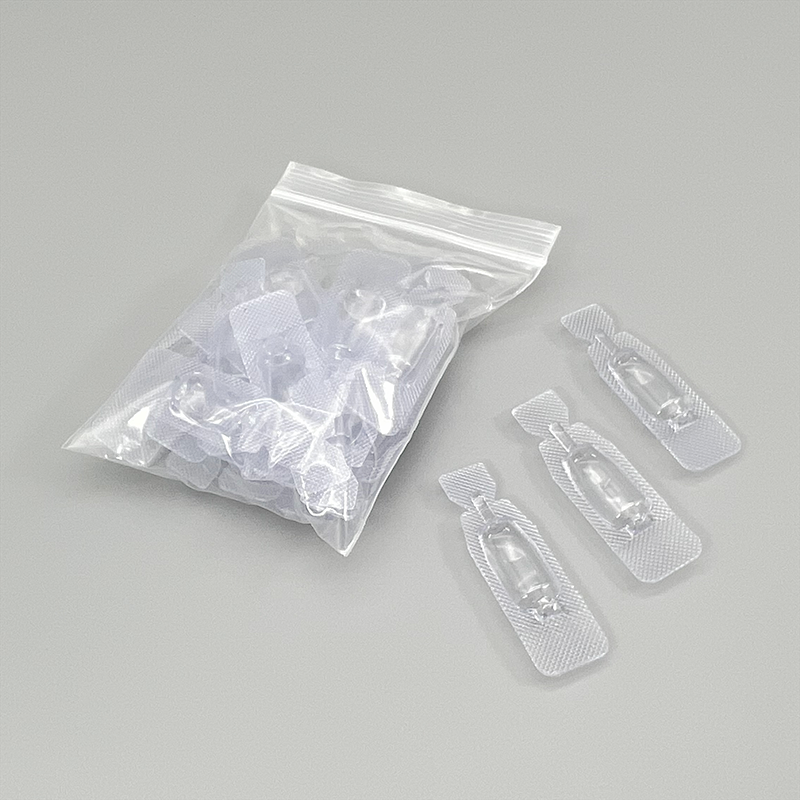
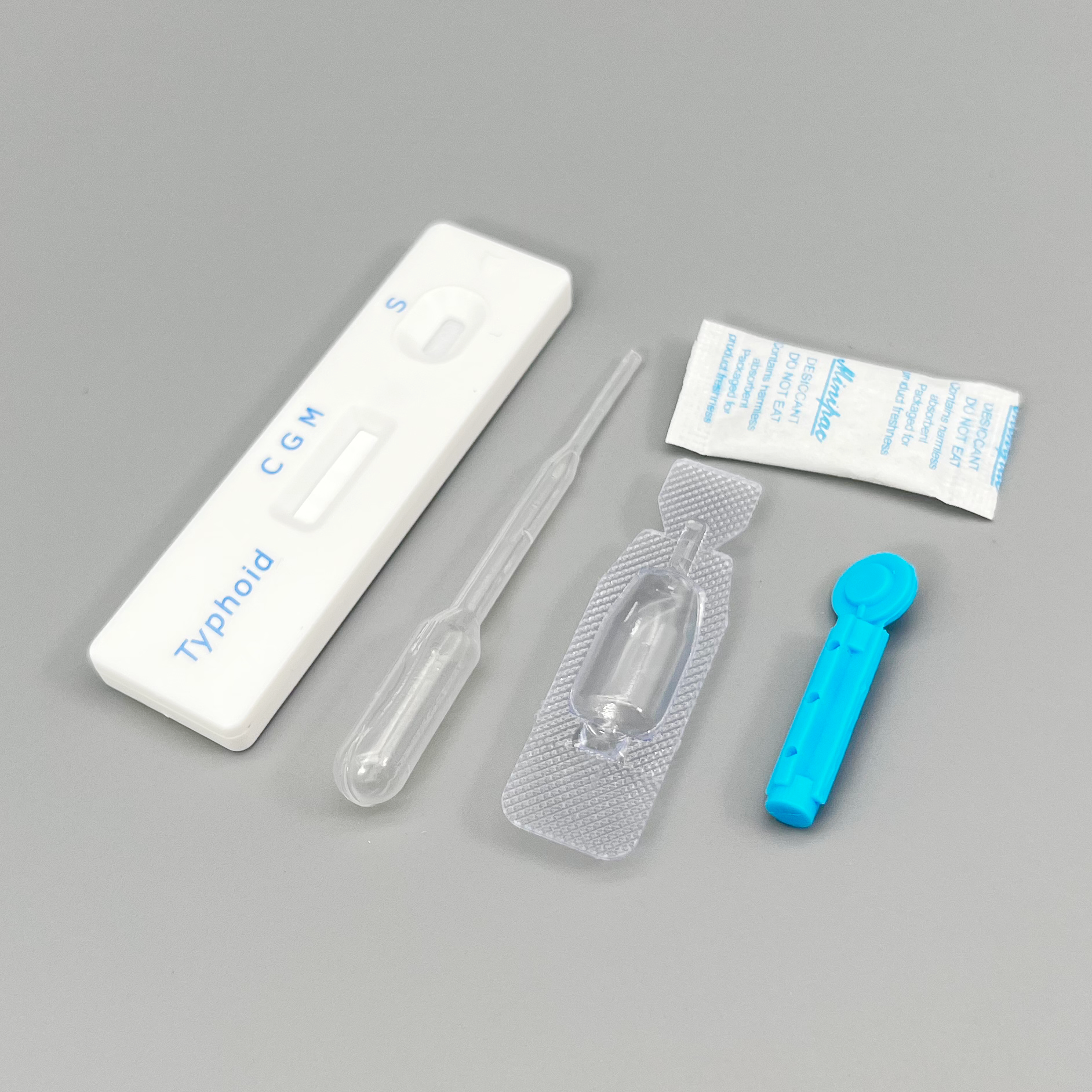
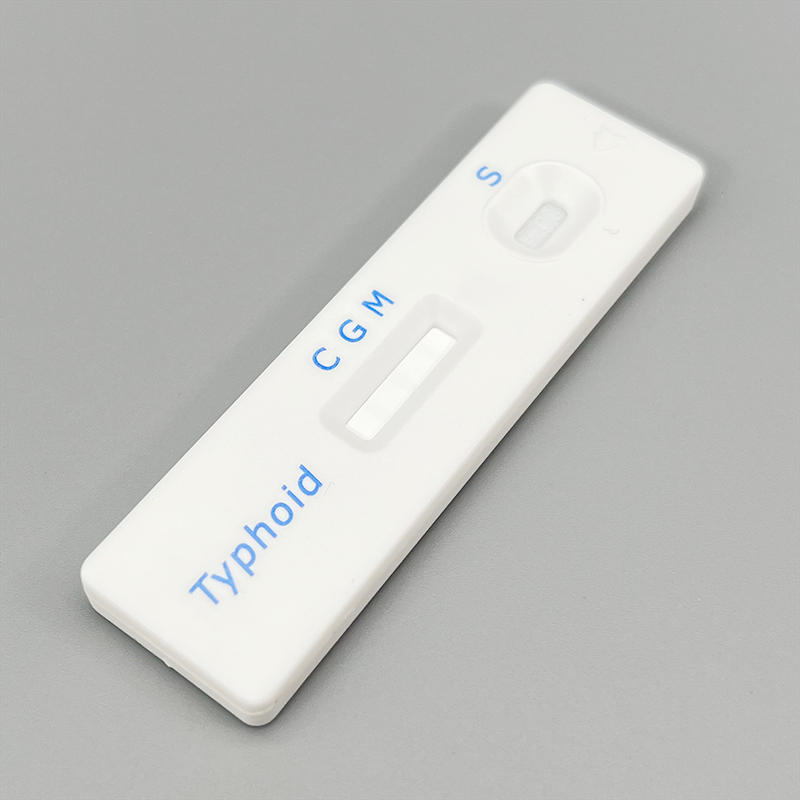
PRODUCT DETAIL
REAGENT PREPARATION AND STORAGE INSTRUCTIONS
All reagents are ready to use as supplied. Store unused test devices unopened at 2°C-30°C. The positive and negative controls should be kept at 2°C-8°C. If stored at 2°C-8°C, ensure that the test device is brought to room temperature before opening. The test device is stable through the expiration date printed on the sealed pouch. Do not freeze the kit or expose the kit over 30°C.
SPECIMEN COLLECTION AND HANDLING
Consider any materials of human origin as infectious and handle them using standard biosafety procedures.
Plasma
- Collect blood specimen into a lavender, blue or green top collection tube (containing EDTA, citrate or heparin, respectively in Vacutainer® ) by veinpuncture.
- Separate the plasma by centrifugation.
- Carefully withdraw the plasma into new pre-labeled tube.
Serum
- Collect blood specimen into a red top collection tube (containing no anticoagulants in Vacutainer®) by veinpuncture.
- Allow the blood to clot.
- Separate the serum by centrifugation.
- Carefully withdraw the serum into a new pre-labeled tube.
Test specimens as soon as possible after collecting. Store specimens at 2°C-8°C if not tested immediately.
Store specimens at 2°C-8°C up to 5 days. The specimens should be frozen at -20°C for longer storage.
Avoid multiple freeze-thaw cycles. Prior to testing, bring frozen specimens to room temperature slowly and mix gently. Specimens containing visible particulate matter should be clarified by centrifugation before testing.
Do not use samples demonstrating gross lipemia, gross hemolysis or turbidity in order to avoid interference on result interpretation.
Blood
Drops of whole blood can be obtained by either finger tip puncture or veinpuncture. Do not use any hemolized blood for testing.
Whole blood specimens should be stored in refrigeration (2°C-8°C) if not tested immediately. The specimens must be tested within 24 hours of collection.
ASSAY PROCEDURE
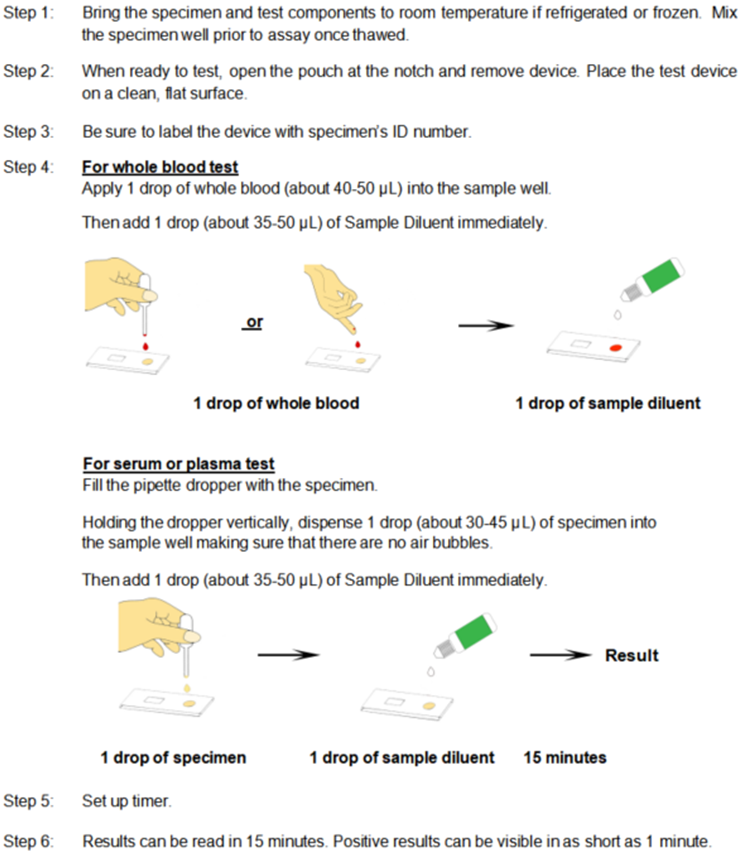
Don’t read result after 15 minutes. To avoid confusion, discard the test device after interpreting the result.
INTERPRETATION OF ASSAY RESULT
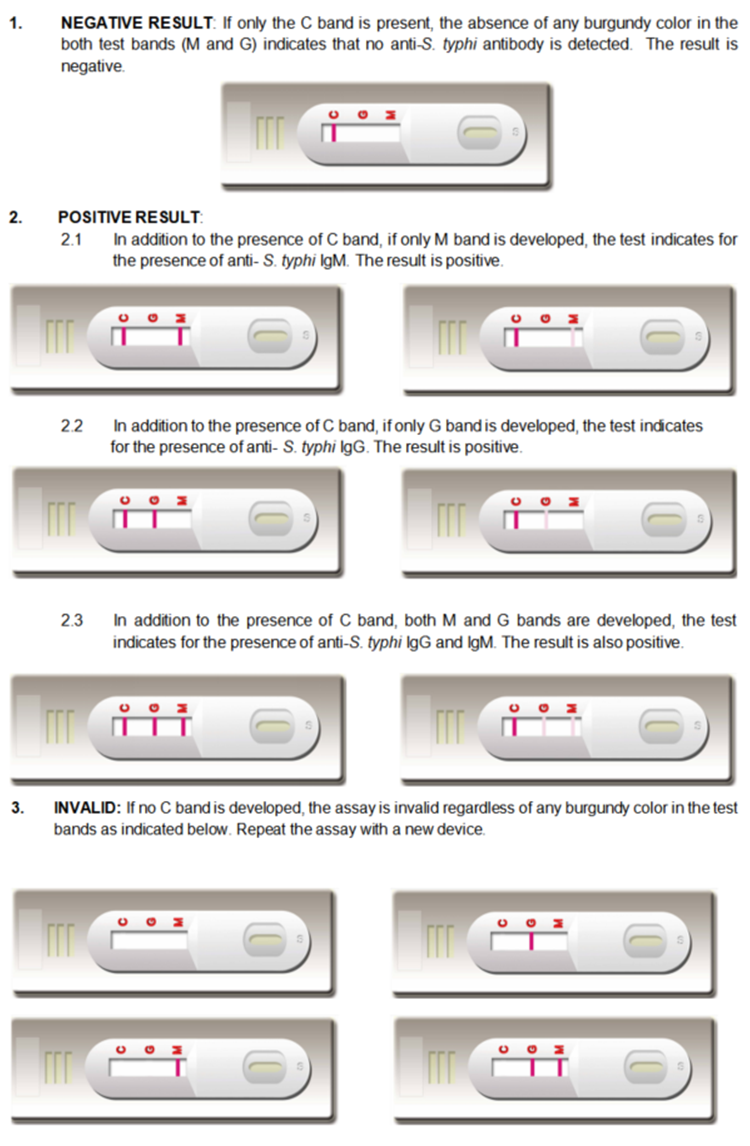
PERFORMANCE CHARACTERISTICS
- Clinical Performance For IgM Test
A total of 234 samples from susceptible subjects were tested by theTyphoid IgG/IgM Combo Rapid Test and by a commercial S. typhi IgM EIA. Comparison for all subjects is showed in the following table:
|
Typhoid IgG/IgM Combo Rapid Test |
|
||
|
IgM EIA |
Positive |
Negative |
Total |
|
Positive |
31 |
3 |
34 |
|
Negative |
2 |
198 |
200 |
|
Total |
33 |
301 |
234 |
Relative Sensitivity:91.1% , Relative Specificity:99.0%, Overall Agreement: 97.9%
- Clinical Performance For IgG Test
A total of 214 samples from susceptible subjects were tested by theTyphoid IgG/IgM Combo Rapid Test and by a commercial S. typhi IgG EIA kit. Comparison for all subjects is showed in the following table:
|
Typhoid IgG/IgM Combo Rapid Test |
|
||
|
IgG EIA |
Positive |
Negative |
Total |
|
Positive |
13 |
1 |
14 |
|
Negative |
2 |
198 |
200 |
|
Total |
15 |
199 |
214 |
Relative Sensitivity: 92.9% , Relative Specificity: 99.0 %, Overall Agreement: 99.0%